 When I think about summer, I tend to think about the fun activities I can do with the kids, the classes or lessons they will have, and the joys of warm weather and sunshine. My picture of the perfect summer gets stifled by the sibling rivalry and conflict that somehow sneak up on me every June.
Maybe your kids have been on summer vacation for a month or maybe they just got out last week; whatever the case, it’s all but guaranteed that your children will struggle to get along sometime over the next three months, and typically sooner rather than later. Let’s just pause for a second - this is completely normal!
0 Comments
 Summer is around the corner - two of my kids are done with school for the year, and the other two will be done in just a few days. Maybe you’re on top of everything and have each day planned down to the minute, or maybe you’ve got your head in the sand hoping that the school will keep your kids for another month or two! Wherever you find yourself, there’s no better time than right now to think about how you want your summer to feel and what you want it to look like.
 I’m sure we can all picture a time when something happened that caused our bodies to go straight into Fight or Flight. Maybe it was seeing a snake slither across the hiking path right in front of you, another car cutting you off in traffic, or a sound in your house at night that puts you on high alert. I would also venture to guess that you can recall a time (or two!) when your child went into Fight or Flight, as well. Maybe screen time ended and your child hit you when you put the iPad away; or maybe he was playing outside, saw a bee and ran straight inside and slammed the door. Different situations can cause different responses in us as parents and in our children.
Intermittent reinforcement is some powerful stuff! It makes our brain release a hit of dopamine (a "feel good" chemical messenger) when we get what we want, and even in anticipation that we might get what we want!
So what is intermittent reinforcement? 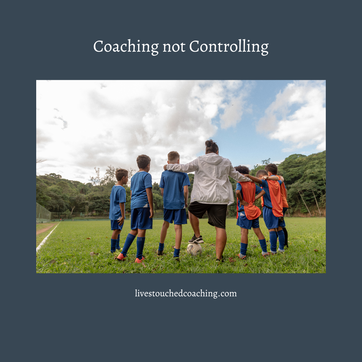 Have you ever found yourself in a season of increased conflict with your child or teenager? Are there times when it just feels like your butting heads about lots of seemingly small things, or maybe butting heads repeatedly over the same old issue that keeps coming up?
I certainly have been there! A variety of reasons can contribute to finding ourselves in these cycles of increased conflict with our child/teen including their growing desire for independence. Sometimes it just really feels like the young person is “looking for a fight” or “trying to be difficult.” When we start to see the situation through the lens that our child is being “defiant” or “manipulative” we feel the need to act! Often, at this point, parents tend to increase their control over the situations and the child. It makes sense! We are trying to restore order, instill a respect for authority and sometimes maybe make it clear who’s the boss. Maybe you’re struggling with a child that refuses to come and eat dinner at dinner time, or a child that “stirs the pot” by creating some drama when she’s bored. Maybe it’s a teenager that is missing curfew or not getting done the agreed upon chores. Increasing our attempts to “control” our child or teenager is a losing game. We can’t really make that independently minded young person do anything. So what’s a parent to do? Time to move into coaching, not controlling. Put on your “coaches hat” and let’s get started! |
AuthorDana Parisi Archives
June 2024
Categories
All
|
 RSS Feed